Oven temperature isn’t just about speed. Each temperature range does something different to batter and dough, and knowing what explains why recipes ask for the numbers they do.
What each temperature does
| Temperature | What it’s for | Example |
|---|---|---|
| 300 to 325°F (150 to 165°C) | Gentle, even cooking that keeps custards tender and stops dense batters doming and cracking | Cheesecake, custards |
| 350°F (175°C) | The all-rounder: browns the outside as the inside cooks through | Banana bread, strata, cinnamon rolls |
| 375°F (190°C) | Faster rise and more browning for smaller bakes | Baked oatmeal, frittatas, pumpkin muffins |
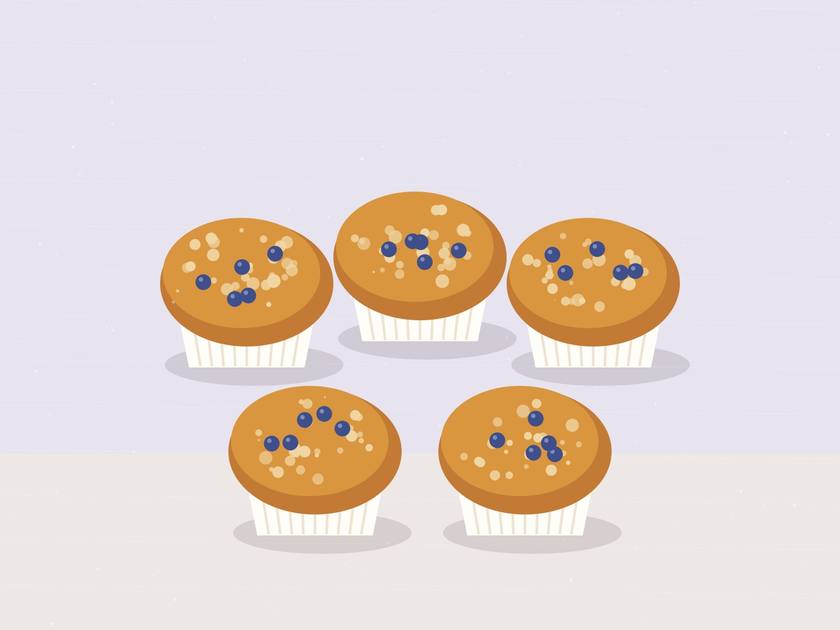
| 400 to 425°F (200 to 220°C) | A quick burst of steam and lift, and crisp crusts | Muffin domes, scones, Dutch babies |
Fan (convection) ovens
A fan moves hot air around the food, so it cooks faster and browns more. Lower the temperature by 20°C (25°F) from a conventional recipe and check early. Our oven temperature converter does the math, gas marks included.
Your dial is probably wrong
Home ovens are commonly off by 15 to 25°F, and they cycle hotter and cooler as the element switches on and off. An oven thermometer costs very little and is the best fix for “it took 20 minutes longer than the recipe said.”
Preheat properly
Most ovens beep “ready” before the walls are fully heated. Give yours an extra 10 to 15 minutes after the beep, especially for recipes that rely on a burst of heat, like scones and Dutch babies.
Rack position
Bake on the center rack unless a recipe says otherwise. The top browns faster and the bottom can burn the base of bakes in dark pans.